 hy
hy
Addressing Disaster and Climate Risks Is a Priority for Artik Community
-webp().jpg?token=1873470d014f9b30141ecab9814b52d6)
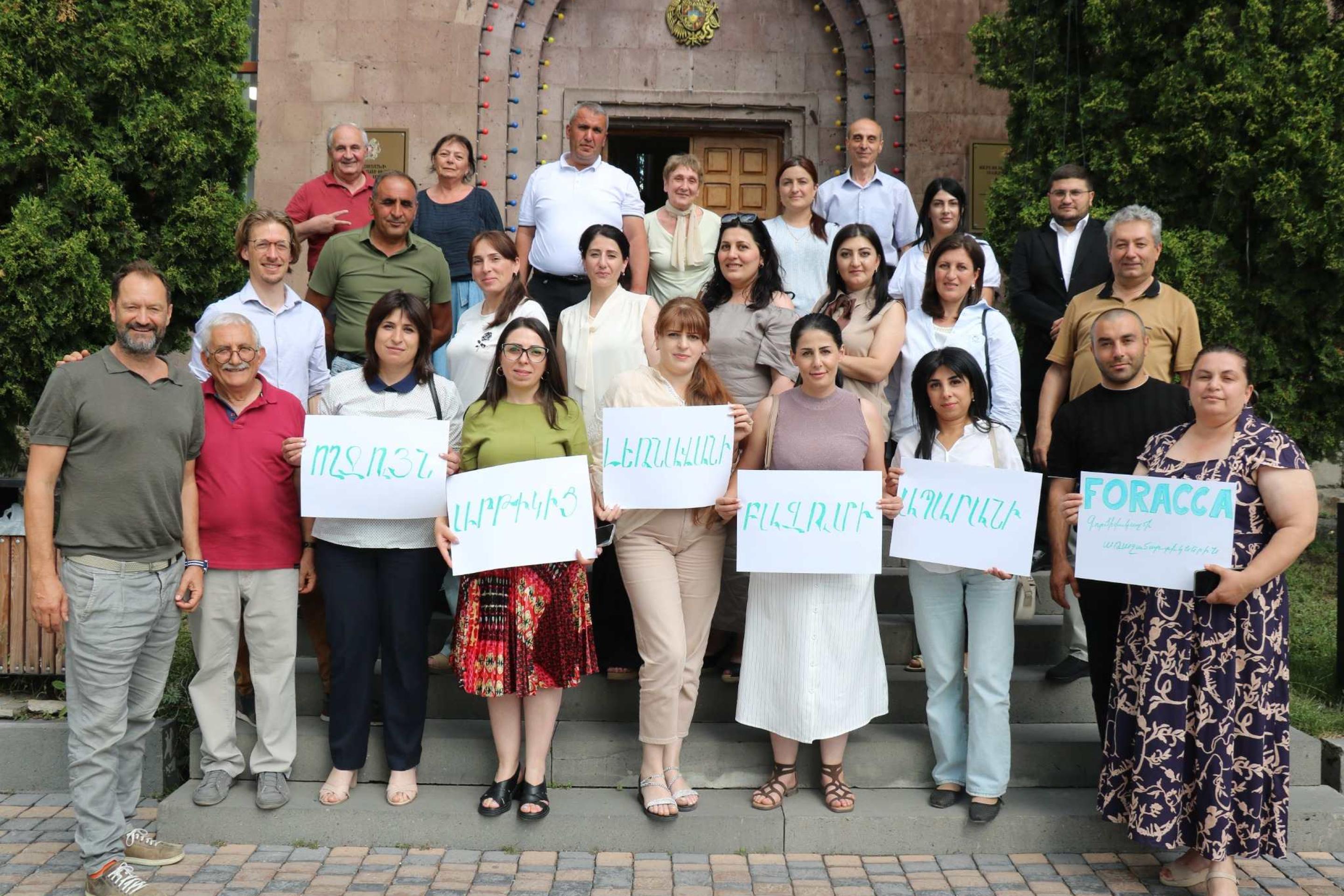
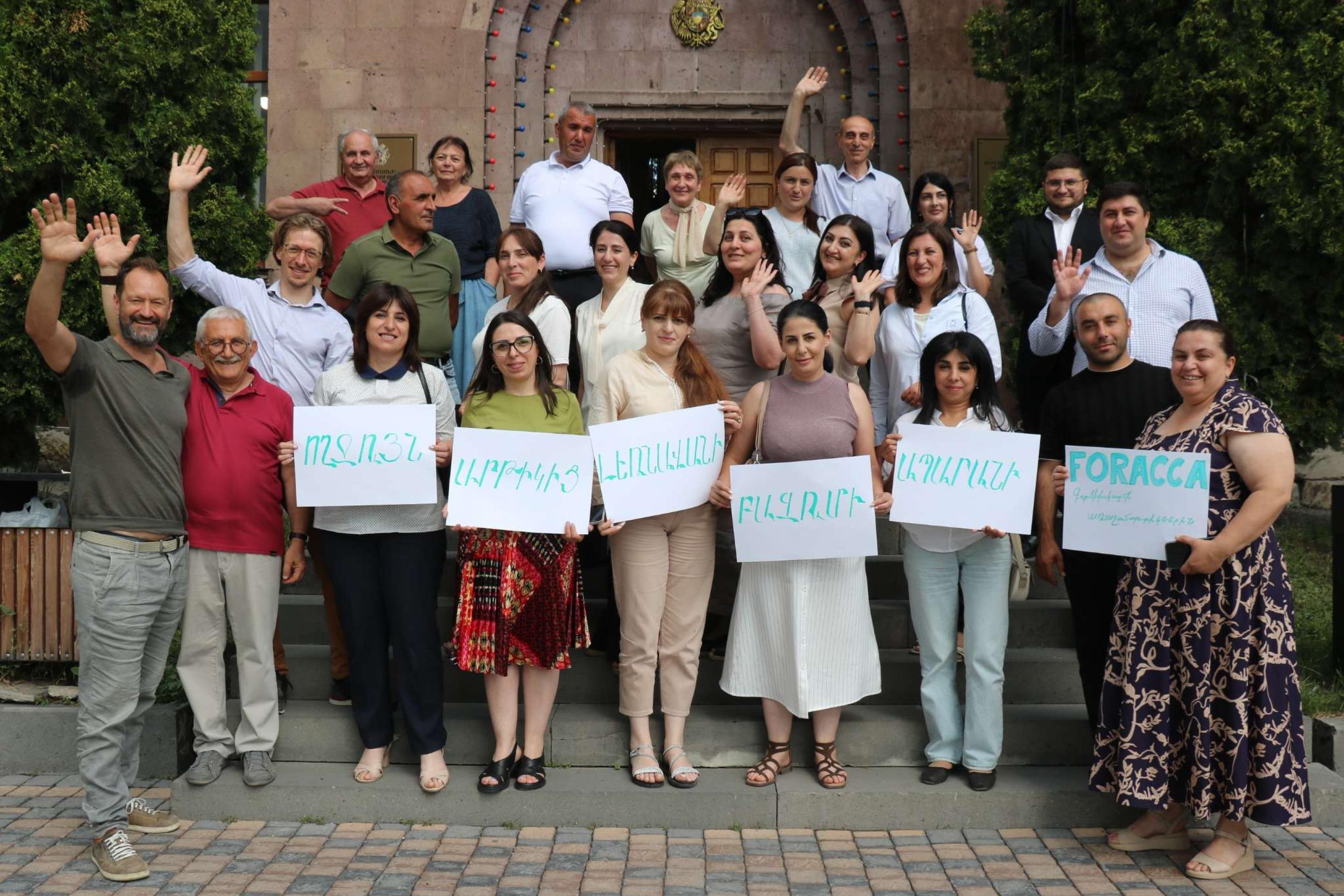
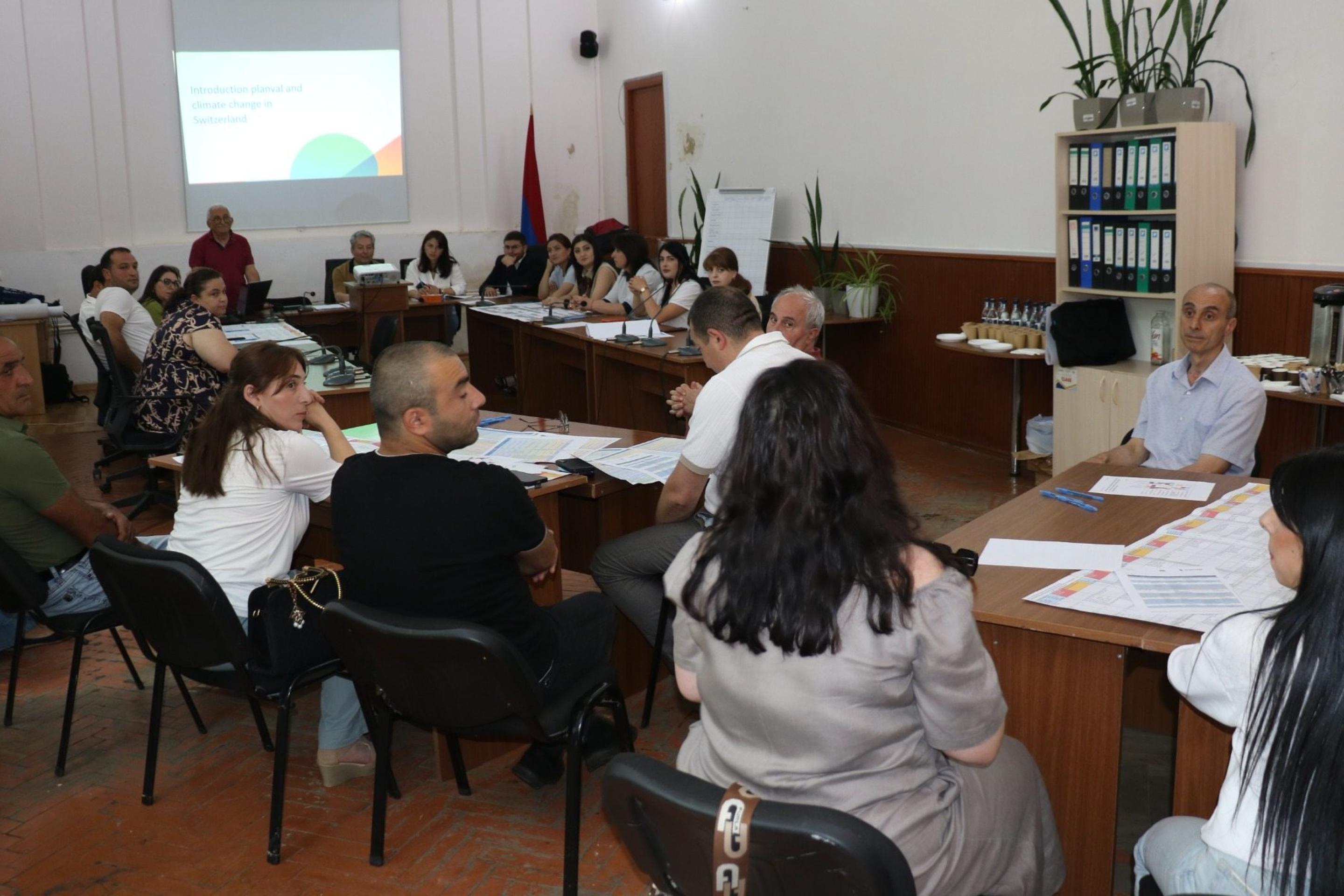
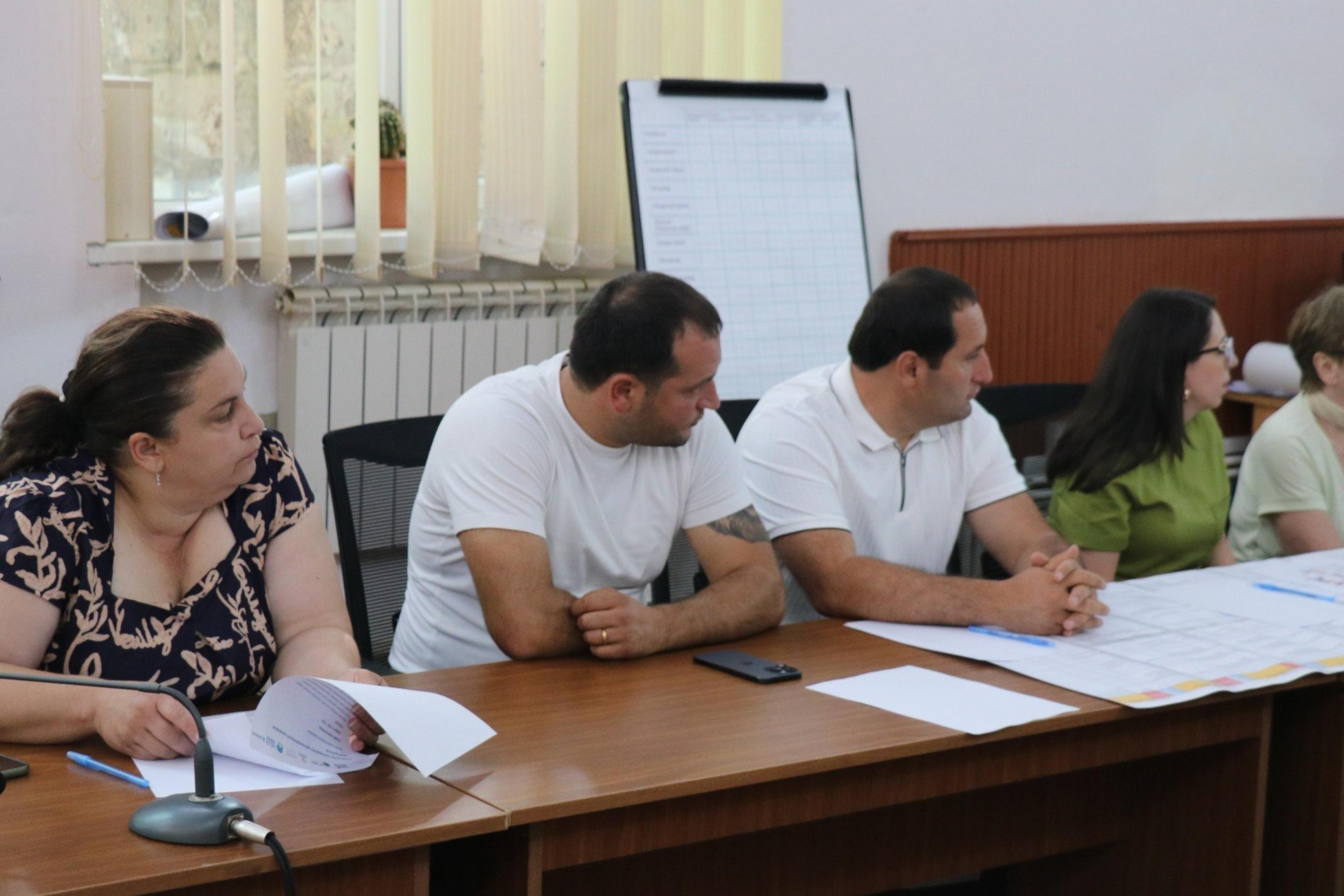
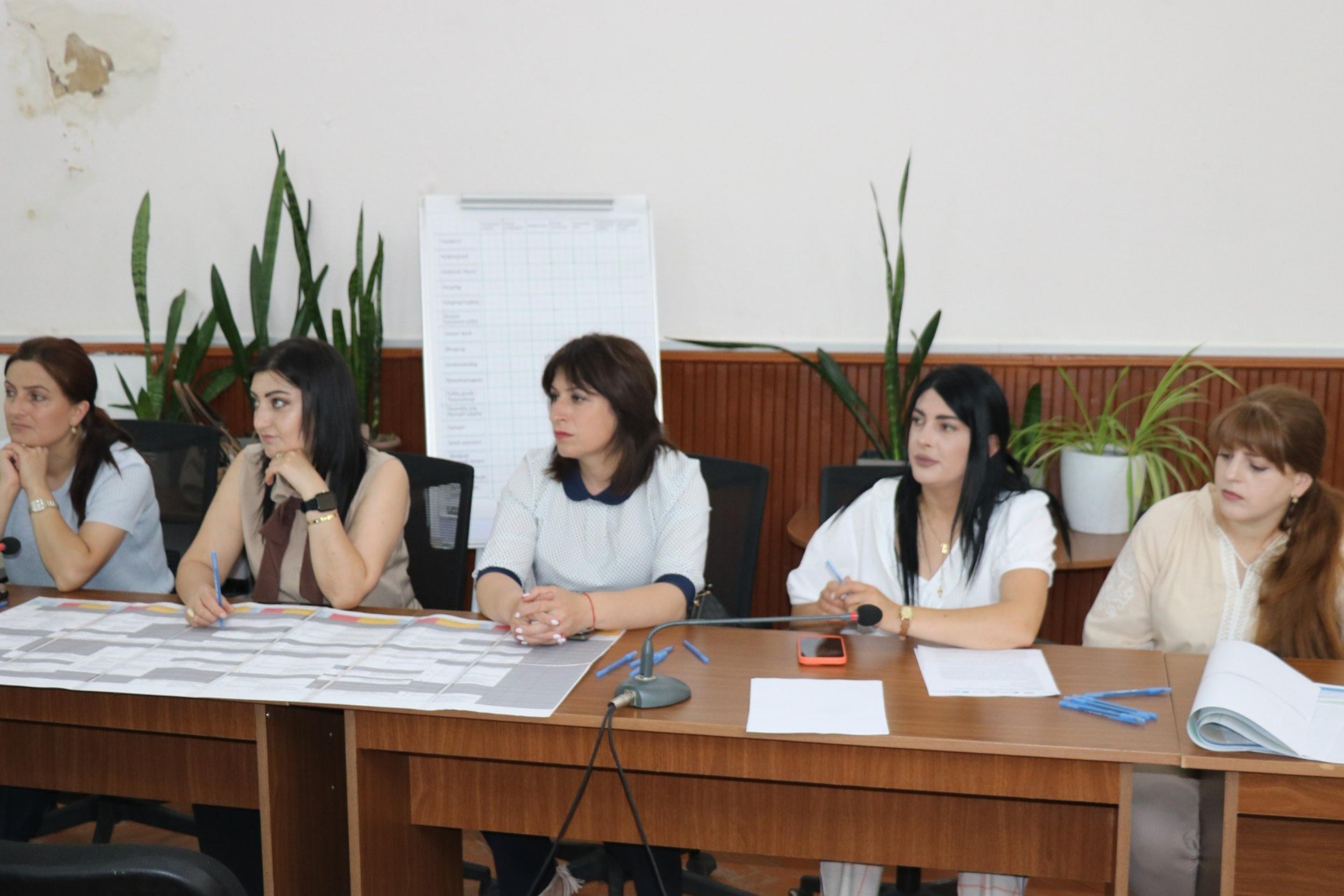
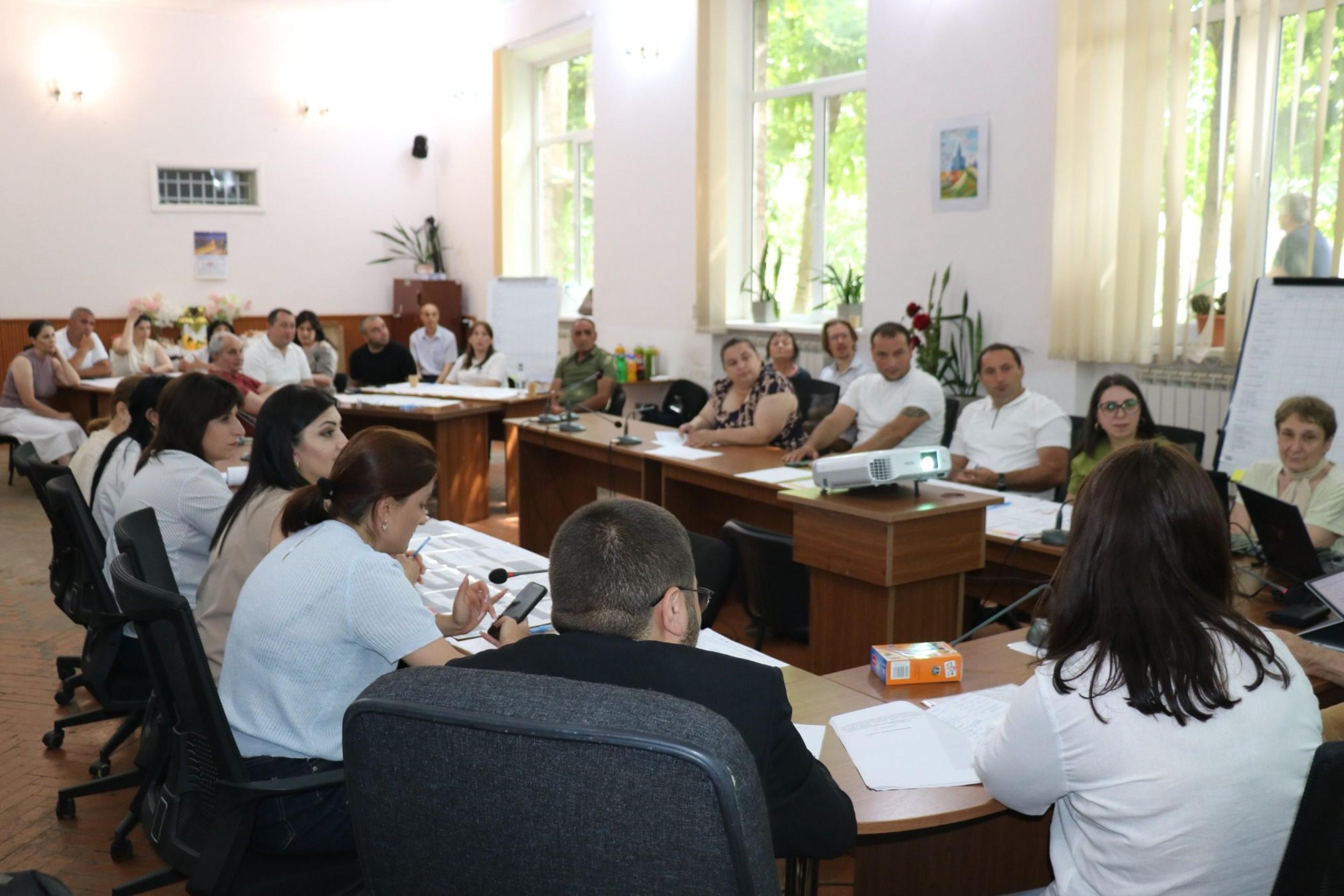
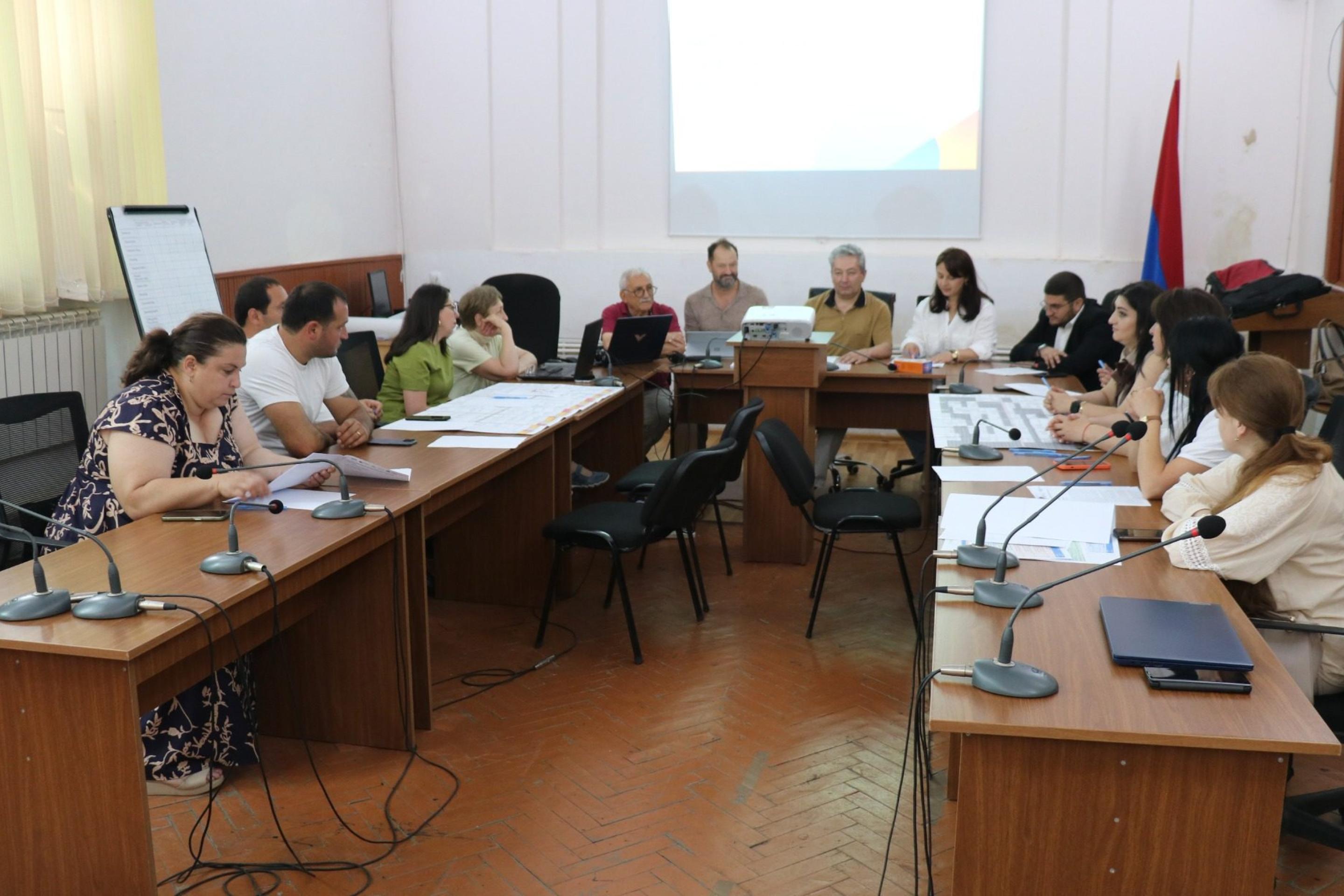
On July 16, within the framework of the Forests Restoration and Climate Change in Armenia (FORACCA) project, the Disaster Risk Reduction National Platform (ARNAP) Foundation, together with its partners from the Swiss organization planval, held the first out of four planned workshops in Artik community.
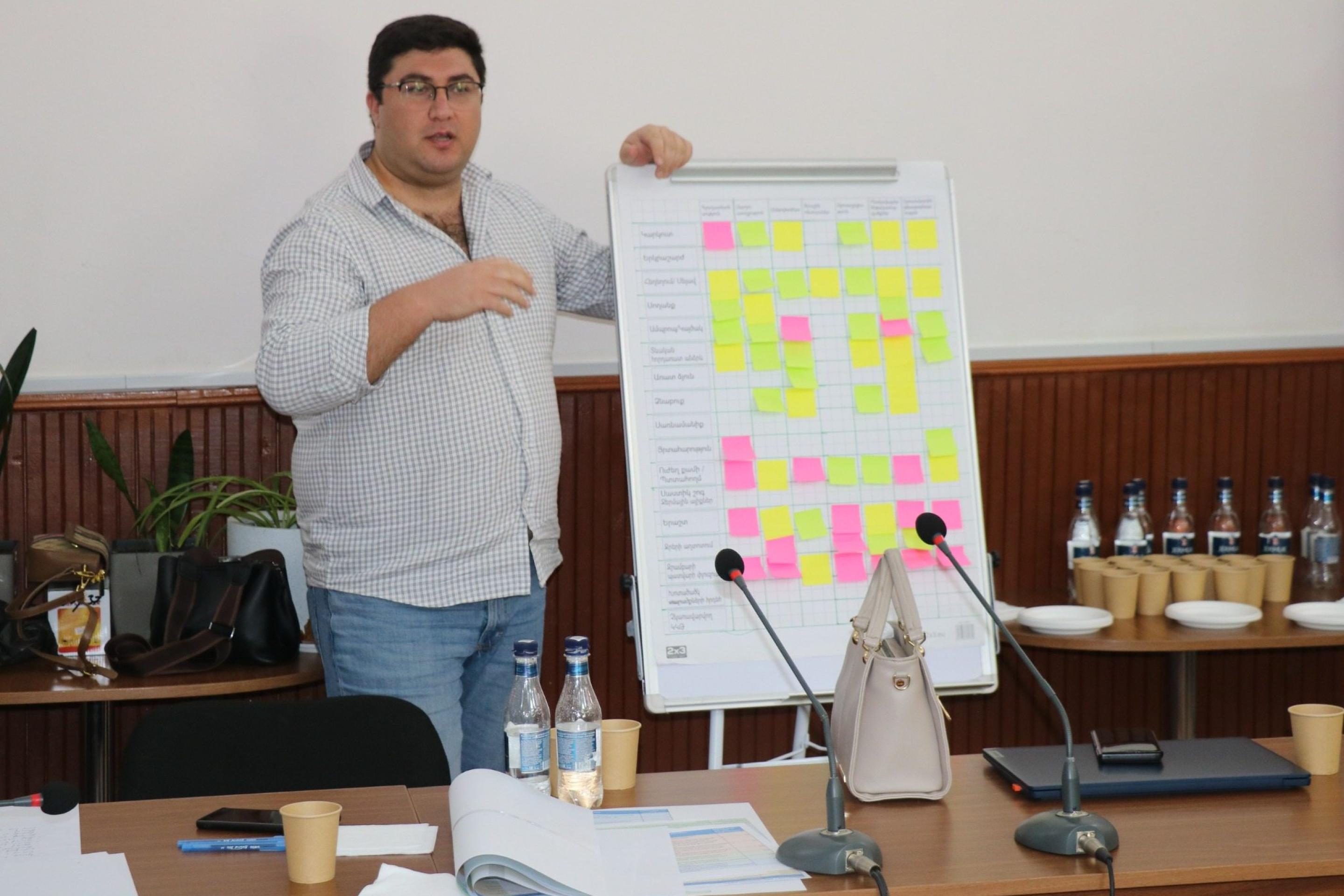
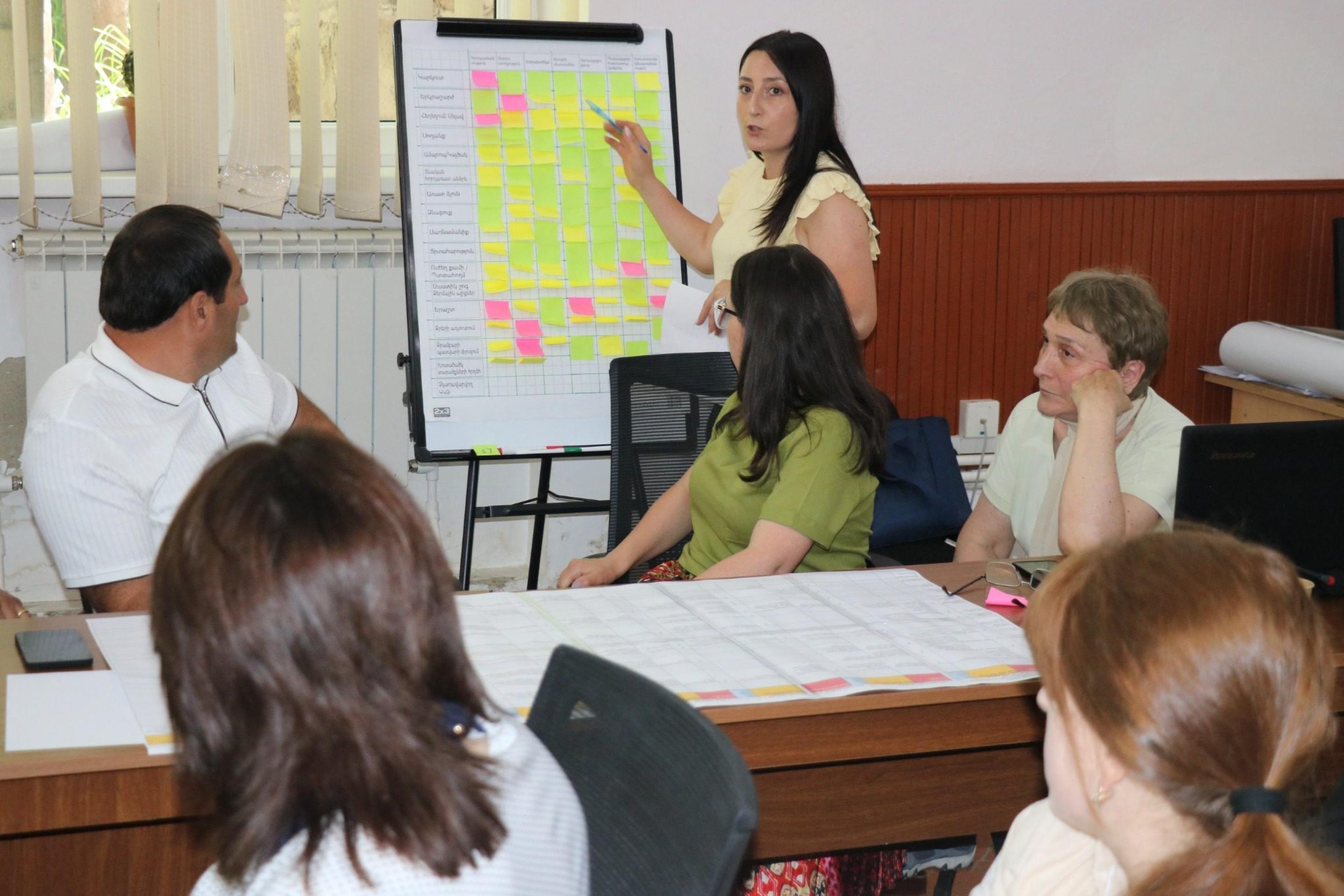
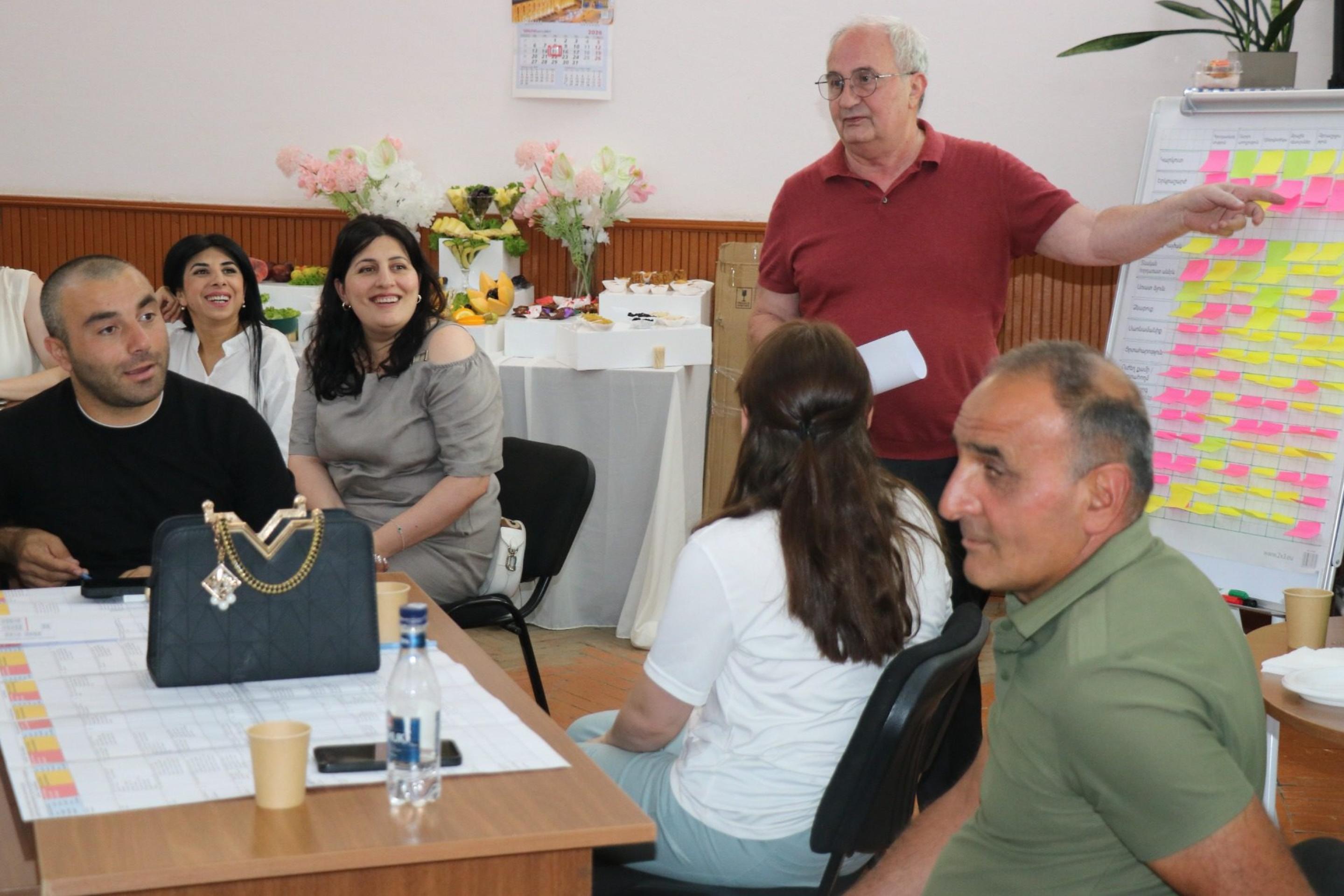
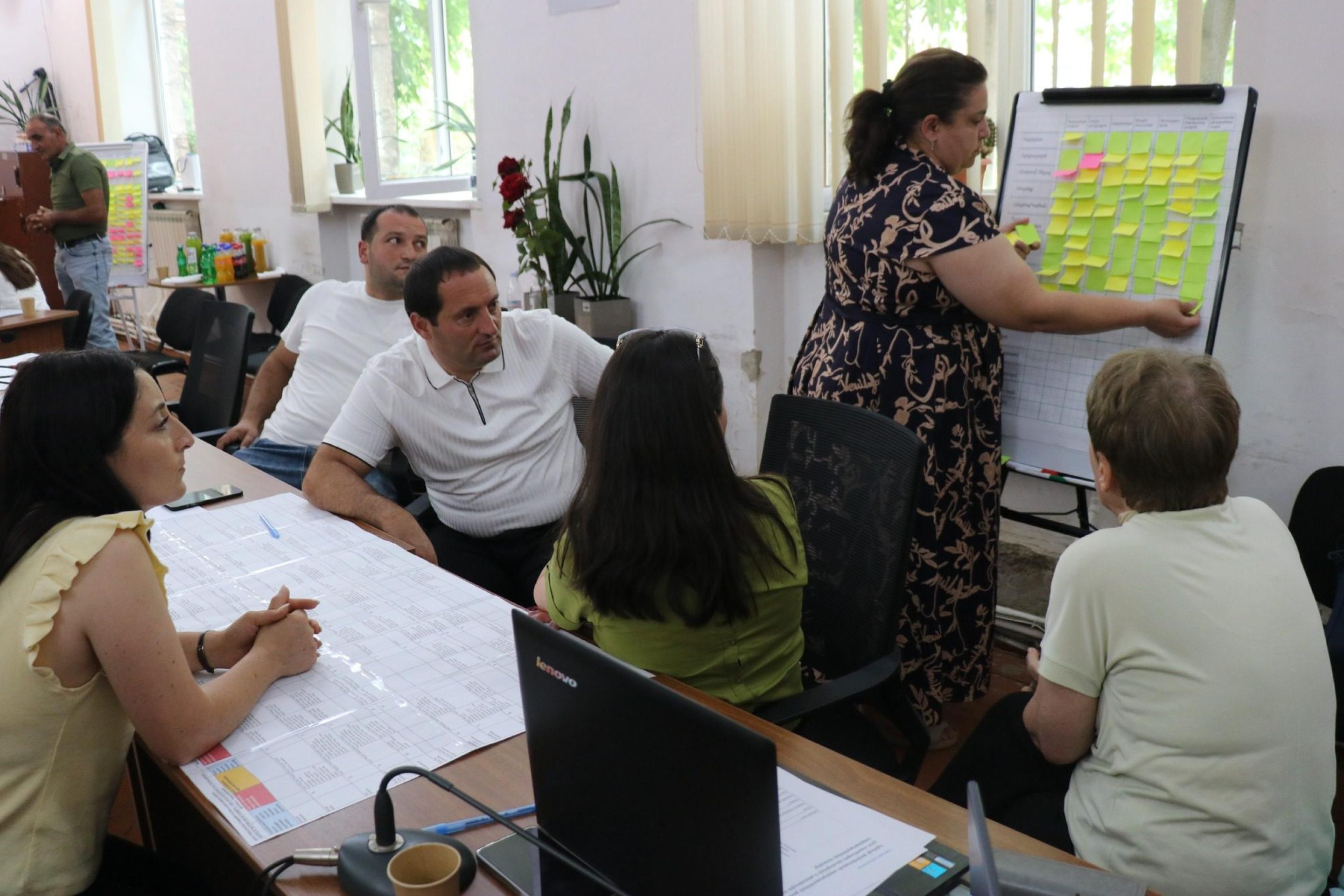
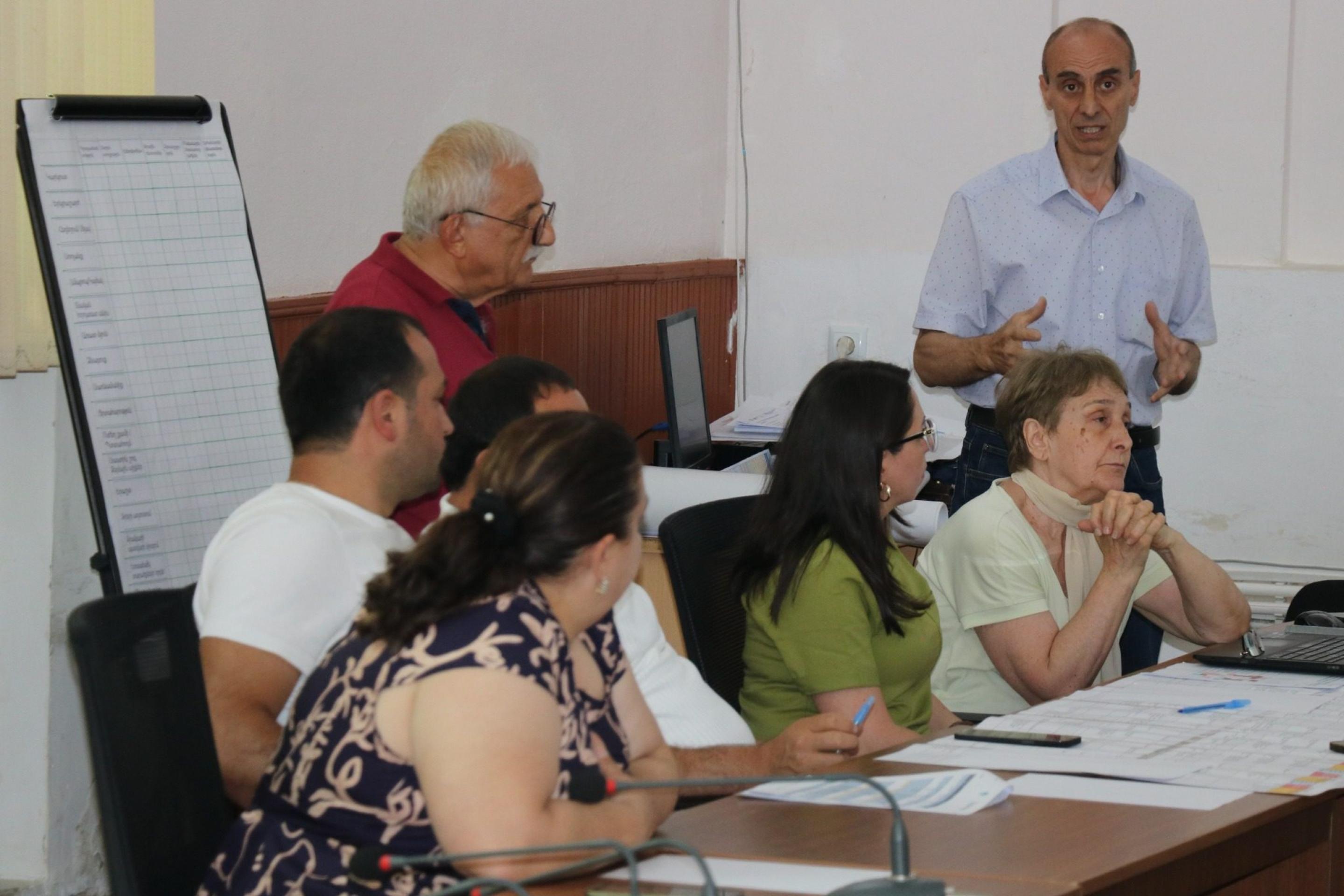
The workshop brought together community representatives to discuss the disaster and climate risks affecting Artik, assess their impact on different sectors of the community’s social and economic life, and identify the issues that require the greater attention.
The discussions were based on the results of the Artik Community Climate Risk Assessment, conducted by the ARNAP in 2023. These findings provided a solid basis for discussing already identified hazards and risks, while also taking into account the local knowledge and experience of the participants.
Through group discussions, agriculture, water resources, and settlements and infrastructure were identified as the most vulnerable sectors. Participants then discussed the main risks affecting these sectors and prioritized them based on their relevance and the community’s readiness to address them.
The workshop represents the first step in the process. The work will continue through a series of follow-up meetings, during which the issues requiring the most urgent action for the community will be progressively identified and prioritized.
The four workshops will result in the identification of two priority problems and the development of project proposals aimed at addressing them. These proposals will be made available to the community for further submission to potential funding mechanisms and for attracting the resources required for implementation.
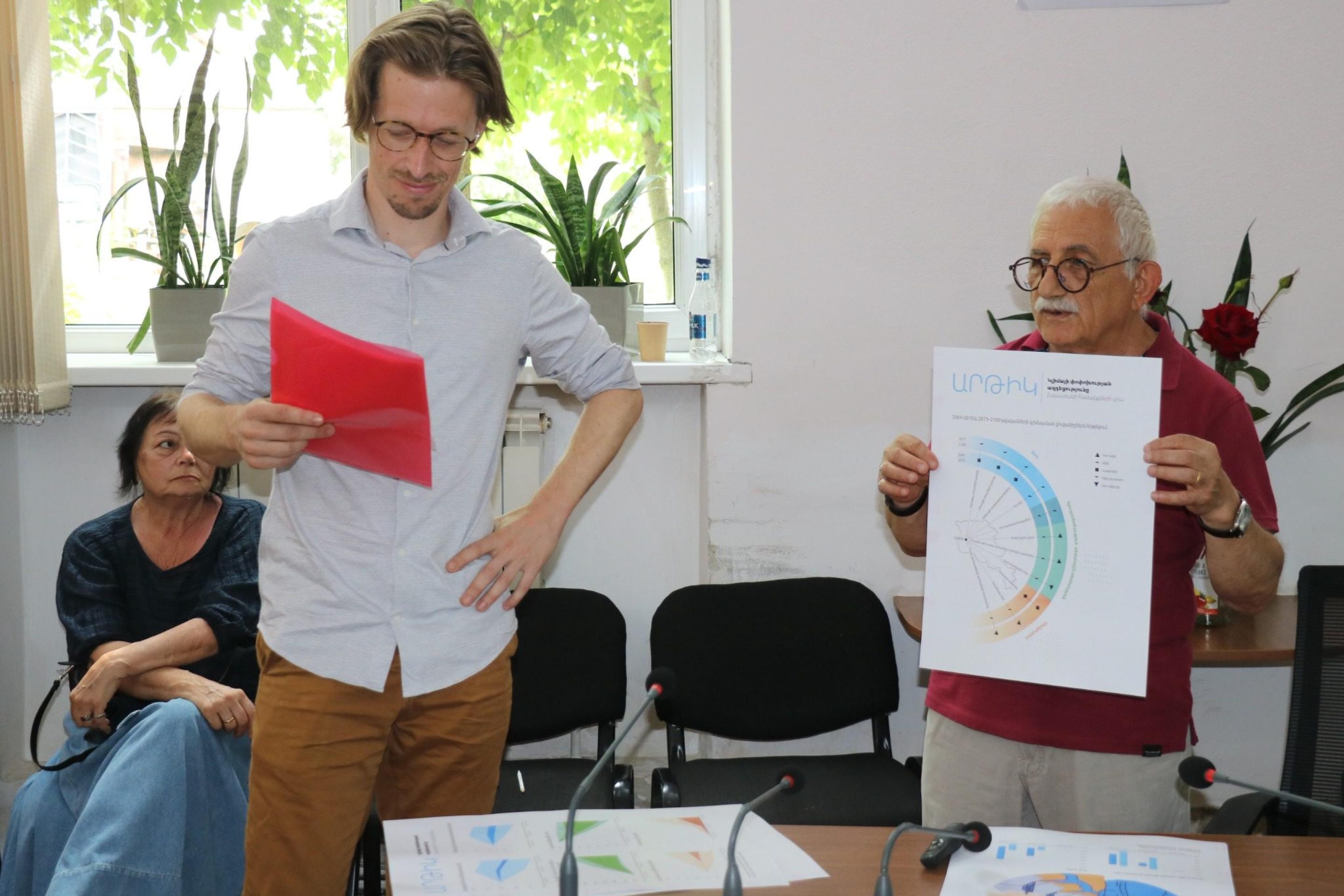
At the beginning of the workshop, experts from planval presented the results of climate change modelling conducted for the Artik community. These results subsequently served as an important foundation for the discussions held within the working groups. The modelling was based on the Swiss CHELSA high-resolution climate model, which, by using the outputs of regional climate models together with observations from the Hydrometeorology and Monitoring Center of the Ministry of Environment, provides detailed community-level climate projections for the periods 2041–2070 and 2071–2100. The climate projections developed within the FORACCA project, along with a set of climate indicators related to water resources, agriculture, forestry, disaster risks, and climate impacts on infrastructure, were presented in a clear, accessible, and user-friendly format. This approach enabled community representatives to ground their discussions not only in local knowledge and experience but also in scientific evidence and projected future climate scenarios, supporting a more informed understanding of potential climate-related challenges and priorities for action.
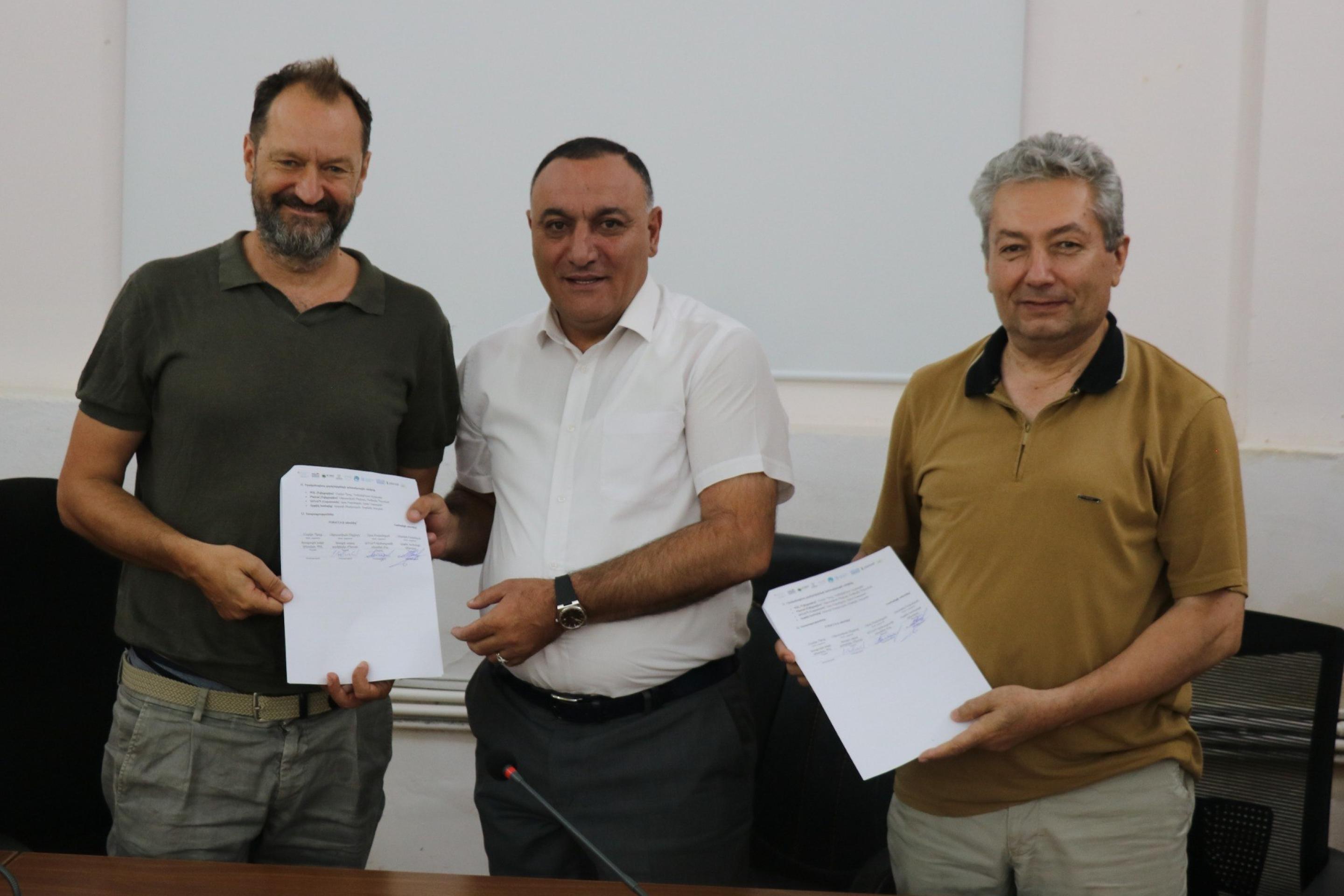
A Memorandum of Understanding (MoU) was also signed between the project partners and Artik Municipality. The memorandum aims to strengthen capacities in disaster risk management, climate change and climate adaptation in Artik community.
It should be noted that, within the framework of the same project, similar work is also being carried out in the Bazum settlement of the Pambak community, implemented by the project partner, the “Shen” non-governmental organization (NGO).
It is worth mentioning that during 2025–2026, within the framework of the FORACCA project, the ARNAP Foundation and “Shen” NGO carried out similar processes in Aparan consolidated community and the Lernavan settlement of Spitak consolidated community, following the same approach.
 european union civil protection and humanitarian aid
  unhcr
unhcr  world vision armenia
  Studio One